The 2026 Kia EV4 introduces the North American Charging Standard (NACS) port as standard equipment, opening doors to thousands of additional fast-charging stations across Canada and the United States. This advancement makes electric vehicle ownership more practical than ever. For drivers in Ontario considering the transition to electric mobility, understanding how this charging technology works can help make the switch with confidence.
The NACS port integration removes barriers to EV adoption. By standardizing charging infrastructure and expanding access to fast-charging networks, the EV4 delivers the convenience and flexibility that Canadian drivers need for both daily commutes and longer journeys.
What is the NACS Charging Port?
The North American Charging Standard (NACS) is a unified approach to electric vehicle charging infrastructure. Originally developed by Tesla, this charging standard has been adopted by multiple automakers, including Kia, to create a more accessible charging network across North America.
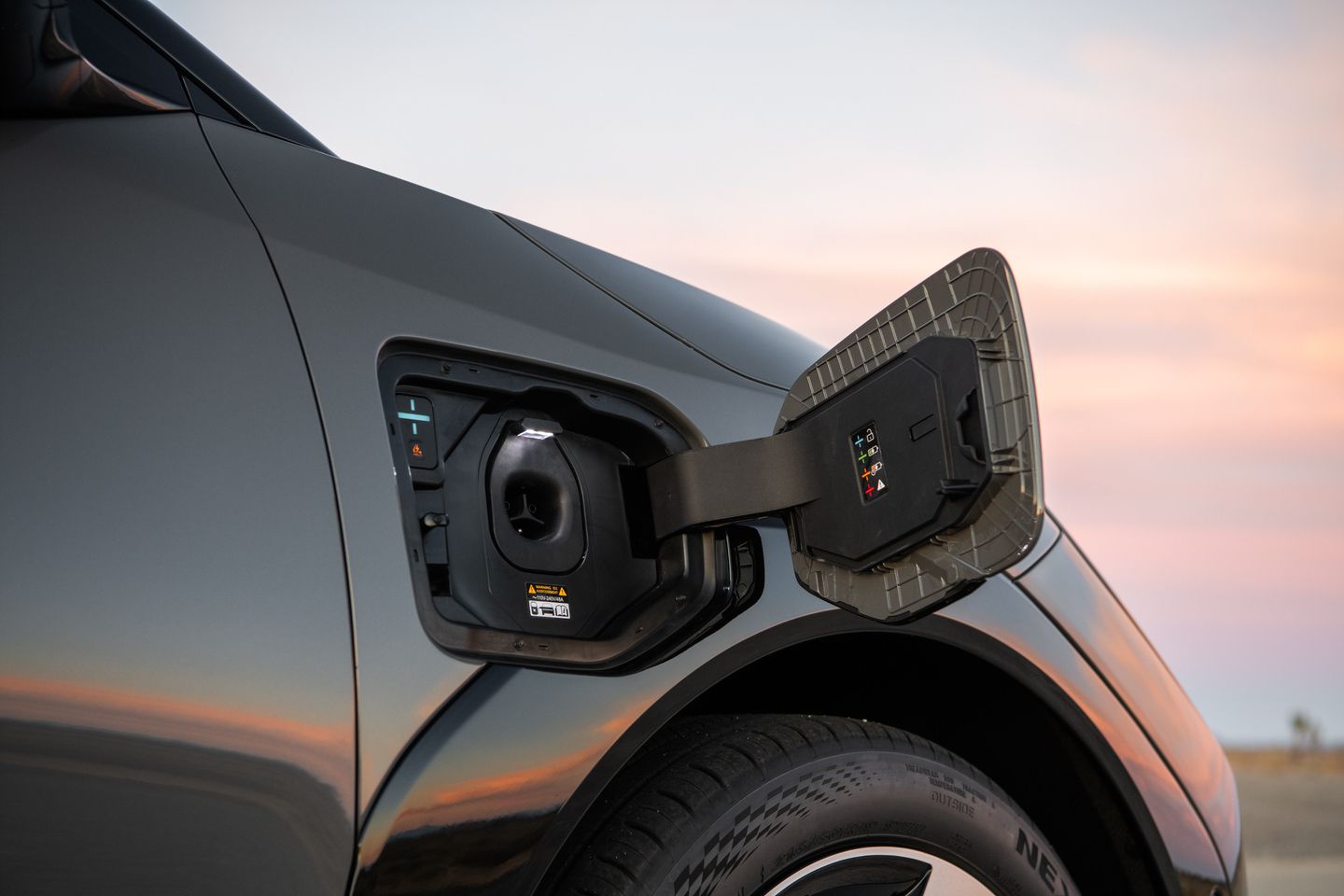
On the 2026 Kia EV4, the NACS charging port is conveniently located on the front passenger side of the vehicle. This strategic placement makes connecting to charging stations straightforward and accessible, whether you're charging at home or using public infrastructure.
The NACS port on the EV4 supports both AC (alternating current) and DC (direct current) fast charging, providing flexibility for different charging scenarios. This dual capability means you can charge overnight at home using a Level 2 AC charger or quickly top up at a DC fast-charging station during longer trips.
How Does NACS Charging Work on the EV4?
The EV4's charging system is built on Kia's dedicated 400V E-GMP platform, designed specifically for electric vehicles. This architecture enables efficient energy transfer and supports fast-charging capabilities across the vehicle's two battery configurations.
For the Light trim with the 58.3 kWh battery, DC fast charging can restore the battery from 10% to 80% in approximately 29 minutes. The Wind, Wind Premium, GT-Line, and GT-Line Limited trims feature an 81.4 kWh battery that charges from 10% to 80% in about 31 minutes when using DC fast charging.
Charging Capabilities by Method:
- Level 1 AC (120V): Standard household outlet charging
- Level 2 AC (240V): Home or public AC charging stations
- DC Fast Charge (400V): Rapid charging at compatible stations
- NACS Port: Access to expanded fast-charging network
What Charging Networks Can I Access?
The NACS port on the 2026 Kia EV4 significantly expands your charging options beyond traditional CCS (Combined Charging System) networks. This broader access means more charging stations are available during road trips and daily driving throughout Ontario and beyond.
With NACS compatibility, EV4 drivers can access Tesla's extensive Supercharger network, which includes thousands of high-speed charging locations across Canada and the United States. This network complements existing public charging infrastructure, reducing range anxiety and making electric vehicle ownership more practical.
For home charging, Ontario drivers can take advantage of innovative solutions like the Variablegrid Energy Management System. Kia Canada's partnership with Variablegrid addresses one of the most common barriers to EV adoption: the cost and complexity of installing home charging equipment in older homes.
The Variablegrid system uses patented adaptive load management technology to monitor real-time energy usage and automatically adjust power to the EV charger based on available capacity. This eliminates the need for costly electrical panel upgrades that can range from $5,000 to over $10,000, making home charging accessible to more Canadian families.
How Long Does Charging Take?
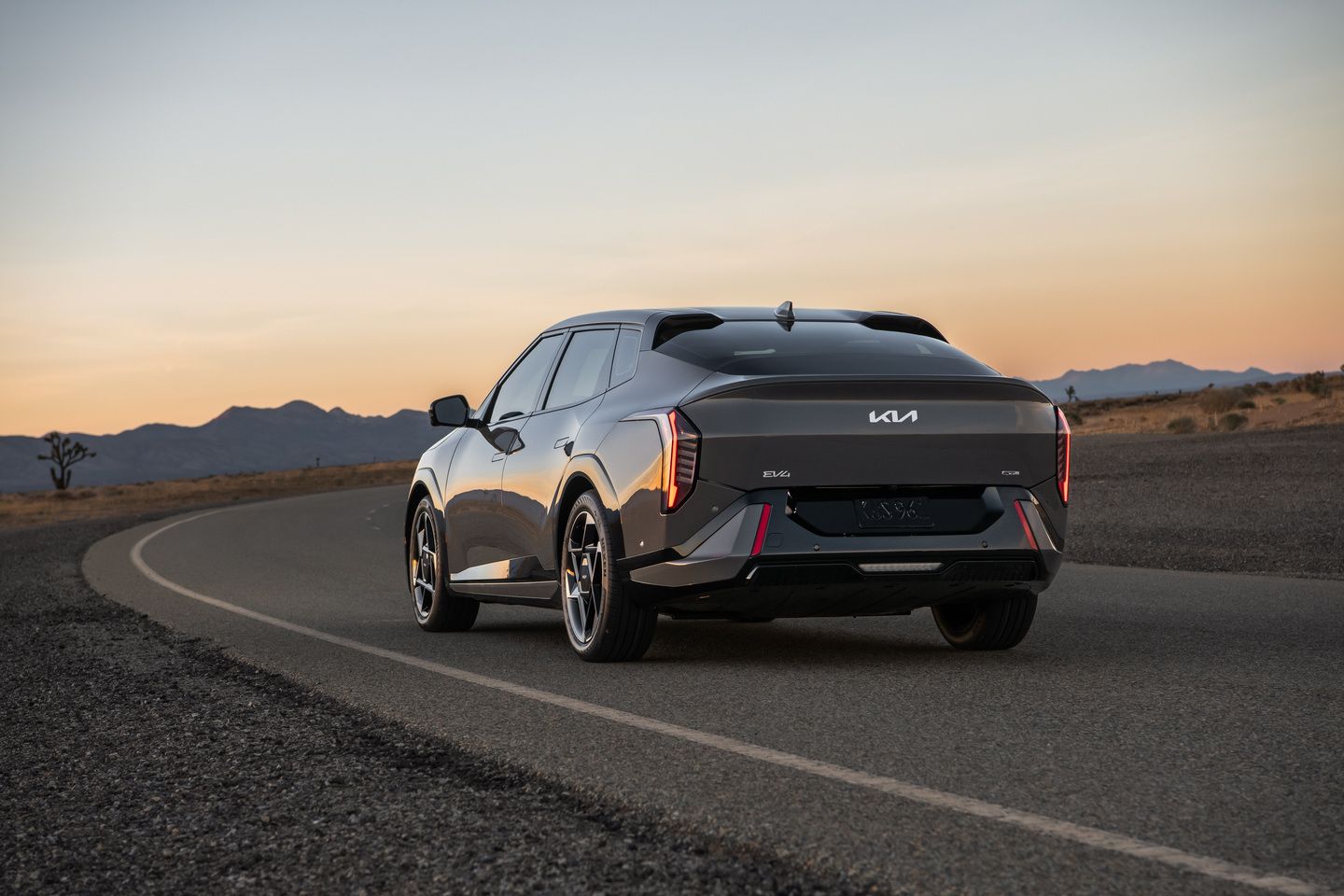
Charging time for the 2026 Kia EV4 varies depending on the charging method and battery configuration. Understanding these timeframes helps you plan your charging strategy around your daily routine and travel needs.
|
Battery Size
|
Charging Method
|
Time to Full Charge
|
|
58.3 kWh (Light)
|
DC Fast Charge (10-80%)
|
29 minutes
|
|
81.4 kWh (Wind, Wind Premium, GT-Line, GT-Line Limited)
|
DC Fast Charge (10-80%)
|
31 minutes
|
DC fast charging is the quickest option for topping up during longer trips. The EV4's 400V architecture optimizes charging speed while protecting battery health, ensuring long-term reliability and performance.
For overnight charging at home, Level 2 AC charging provides a convenient solution that replenishes the battery while you sleep. This approach works particularly well for daily commuting patterns, where the vehicle can charge during off-peak hours and be ready each morning.
What About Charging at Home?
Home charging forms the foundation of convenient EV ownership, and the 2026 Kia EV4's NACS port works with residential charging solutions. Level 2 installation provides faster, more efficient charging than standard household outlets.
For Ontario homeowners, the Variablegrid Energy Management System offers a practical solution that adapts to your home's electrical capacity. This intelligent system monitors household energy consumption in real-time, automatically adjusting charging power to prevent overloading your electrical panel.
The Variablegrid system can be included in your vehicle financing at Kia dealerships across Canada, streamlining the transition to electric vehicle ownership. This integrated approach removes uncertainty about home charging installation and costs, making the EV ownership experience more accessible from day one.
Does the EV4 Support Bidirectional Charging?
The 2026 Kia EV4 includes available Vehicle-to-Load (V2L) functionality on select trims, offering practical benefits beyond basic transportation. This feature allows the vehicle to supply electricity to compatible external devices, transforming your EV into a mobile power source.
V2L capability proves particularly valuable during outdoor activities, power outages, or job sites where access to electricity is limited. The system can power laptops, lighting, power tools, and various electronics, adding versatility to the vehicle's functionality.
While V2L provides outward power flow, it differs from full Vehicle-to-Grid (V2G) capability, which would allow the vehicle to feed power back into the electrical grid. The EV4's V2L system focuses on practical, immediate applications that enhance the ownership experience.
How Does NACS Improve the EV Experience?
The integration of NACS charging on the 2026 Kia EV4 addresses real-world concerns about electric vehicle practicality. By expanding access to charging infrastructure, NACS reduces range anxiety and makes long-distance travel more feasible.
For drivers in Ontario, this expanded network means greater flexibility when planning trips beyond your immediate area. Whether traveling to cottage country, visiting family in other provinces, or taking business trips across the border, the NACS port ensures you'll find compatible charging stations along your route.
The standardization of charging infrastructure also simplifies the charging experience. Rather than managing multiple charging apps, accounts, and payment methods, the unified NACS approach streamlines the process, making public charging as straightforward as refueling a conventional vehicle.
Learn More at Trento Kia
The 2026 Kia EV4's NACS charging port prioritizes accessibility and convenience for Canadian drivers. From rapid DC fast charging to flexible home charging solutions, the EV4 delivers the infrastructure support needed for confident EV ownership.
Understanding your charging options helps you make informed decisions about electric vehicle ownership. Whether you're curious about home charging installation, want to explore the EV4's range capabilities, or have questions about charging network access, our team at Trento Kia can provide the guidance you need. Contact us to learn more about how the 2026 Kia EV4 and its NACS charging port can fit into your Ontario lifestyle.
To learn more about the 2026 Kia EV4, visit Kia.ca