You like the idea of a plug-in hybrid SUV, but your parking setup may not include a dedicated 240V charger. For many Ontario shoppers, that question decides whether a PHEV feels smart or stressful.
The short answer for the 2027 Sorento PHEV: it works on a plug and a plan, and a Level 2 charger makes it easier. Here is how to judge which setup fits your week.
What the Sorento PHEV Actually Asks of Your Home
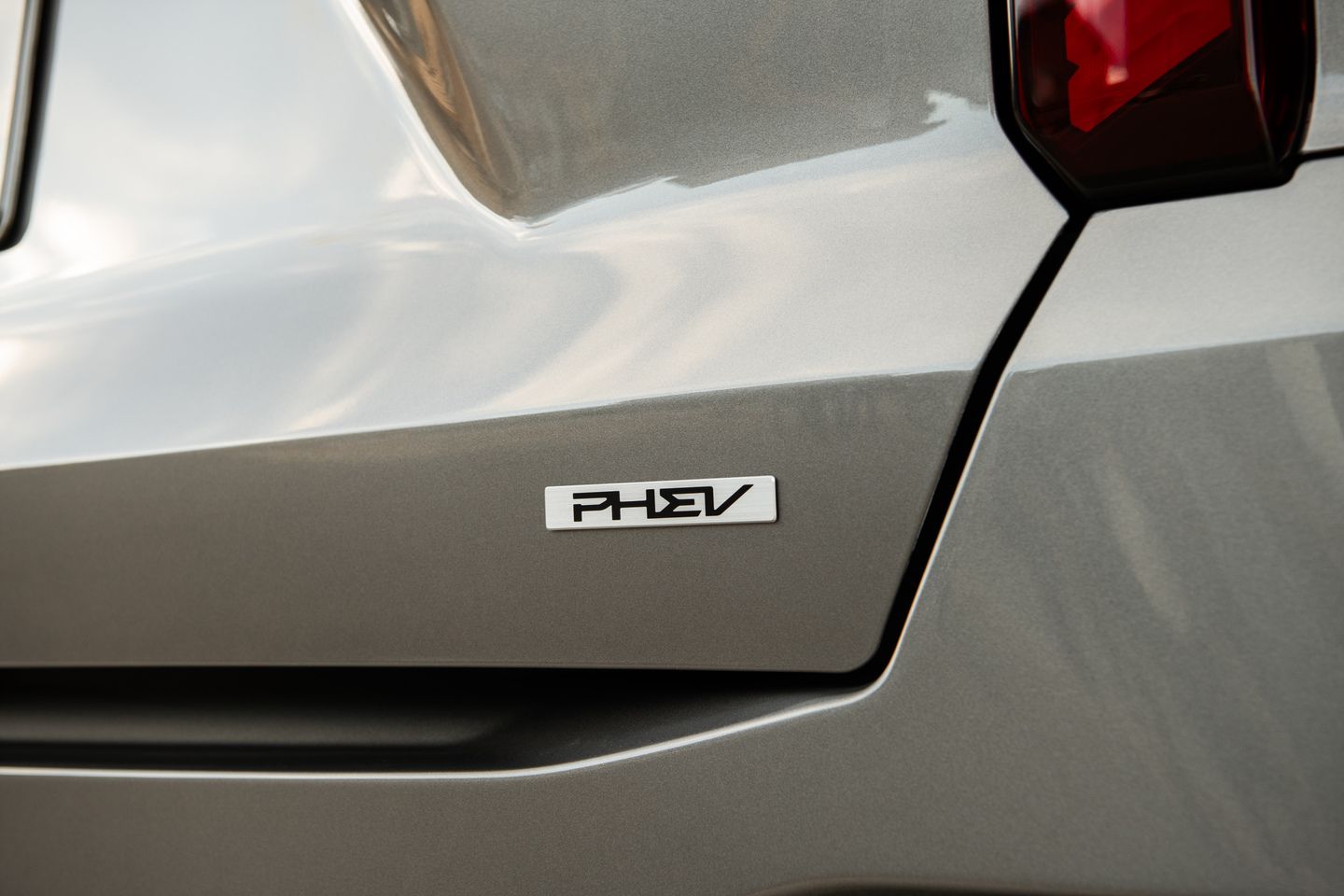
The Sorento PHEV carries a 13.8 kWh battery and lists an EV driving range of 55 km. Behind it sits a 1.6 L turbocharged 4-cylinder gas engine, and the system makes 268 hp and 270 lb-ft of torque. Those figures apply to the LX, EX and SX PHEV AWD trims.
That battery is small next to a full EV pack. It refills far faster, and the gas engine covers everything past the electric range. You are not dependent on a charger to use the vehicle at all.
The fuel tank holds 47 L, and gasoline-only consumption is rated at 6.9 L/100 km. Regular fuel (87 octane or higher) is all it needs.
How Charging Works, in Plain Language
The listed charging time is 3.8 hours on a 240V (Level 2) connection. That is an estimate for a full refill, which means an evening plug-in gets you a full battery by morning with time to spare.
A standard household outlet delivers less power than a 240V circuit, so a full refill takes longer. The trade is simple: slower replenishment, but no electrician and no installation. If you park for 10 to 12 hours a night, that slower pace can still cover a short commute and errands.
Here is how the two routes compare:
|
Setup
|
What it means for you
|
|
Standard outlet (Level 1)
|
Nothing to install; slower refill, best for short daily distances
|
|
240V Level 2
|
3.8 hours for a full refill; electric-first driving most days
|
|
Variablegrid charger bundle
|
Level 2 charging sized to the power your home already has
|
Why Charging Frequency Decides Whether the PHEV Feels Useful
The electric range only helps on the days the battery starts full. Plug in most nights and a 55 km range can cover a typical commute, school run and errands on electricity alone. Skip charging for a week and the Sorento runs as a hybrid on gasoline.
That is a working fallback, not a failure. The gas engine keeps the vehicle useful on long or mixed-distance days, and an electricity-plus-gasoline rating of 2.8 Le/100 km shows what regular charging can do to your running costs.
So the real question is not “Do I have a Level 2 charger?” It is “How many nights a week can I plug in?” A reliable outlet at your parking spot may serve you better than an ideal charger you cannot install.
Kia Connect also helps. PHEV models add battery and charging status, charging controls and scheduled charging on a trim-specific basis, so you can check your charge from your phone and shift charging to off-peak hours.
When a Level 2 Charger Is Not an Option
Many homes cannot easily take one. Over half of homes in Canada cannot support Level 2 EV charging without expensive upgrades, and panel work can run from $5,000 to over $10,000.
Kia Canada’s partnership with Variablegrid targets exactly that barrier. Its Energy Management System monitors your home’s power use and sends whatever electricity is available to the charger. Demand is low, so charging ramps up. Appliances are running, so it scales back. The result is no electrical panel upgrade and no wait on utility approval, just normal permitting and installation.
The charger in the bundle is the RS48, a 48 A Level 2 unit with a 25 ft cable and a weather-resistant enclosure for indoor or outdoor mounting. It includes scheduling for off-peak rates, real-time energy stats and remote control. The bundle is offered in NACS and J1772 configurations, and Kia describes adding charging to your vehicle purchase with no out-of-pocket costs. Ask the dealership how the bundle applies to a Sorento PHEV.
Other workable routes include charging at work, using shared or building access, or topping up occasionally and letting the engine handle the rest. None of them is as convenient as a driveway charger, but each keeps the electric range in play.
Check These Home Factors Before You Buy
A short checklist saves surprises later:
- Parking access: Can you park within reach of an outlet every night?
- Outlet availability: Is there a usable outlet at your driveway, garage or assigned spot?
- Condo or shared parking: Do you need building approval to charge?
- Overnight feasibility: Can the car sit plugged in for 8 to 12 hours without a cable crossing a walkway?
- Panel capacity: Would a Variablegrid-style system solve a limited electrical panel?
Who Benefits Most

The Sorento PHEV suits a driver with a predictable daily loop, a place to plug in most nights, and the occasional long trip that a pure EV would complicate. Families that need six seats (the LX and EX PHEV trims seat six) get the electric-first commute and a gas engine for weekends.
It also suits a shopper who cannot install a 240V charger. With a standard outlet, workplace charging or an adaptive-power bundle, the 13.8 kWh battery is small enough to refill on a realistic schedule.
The 2027 Sorento PHEV Is Built for Real Home Setups
The Sorento PHEV pairs a 55 km electric range with a gas engine, so charging is a benefit you use when you can, not a chore you must complete. A Level 2 charger refills the battery in 3.8 hours, and Kia’s Variablegrid bundle removes the panel-upgrade barrier for many homes.
Visit Trento Kia in Toronto to talk through your parking situation and see how the 2027 Sorento PHEV fits it. Book a test drive and ask the team about home charging options before you decide.
To learn more about the 2027 Kia Sorento PHEV, visit Kia.ca